
Skip to content
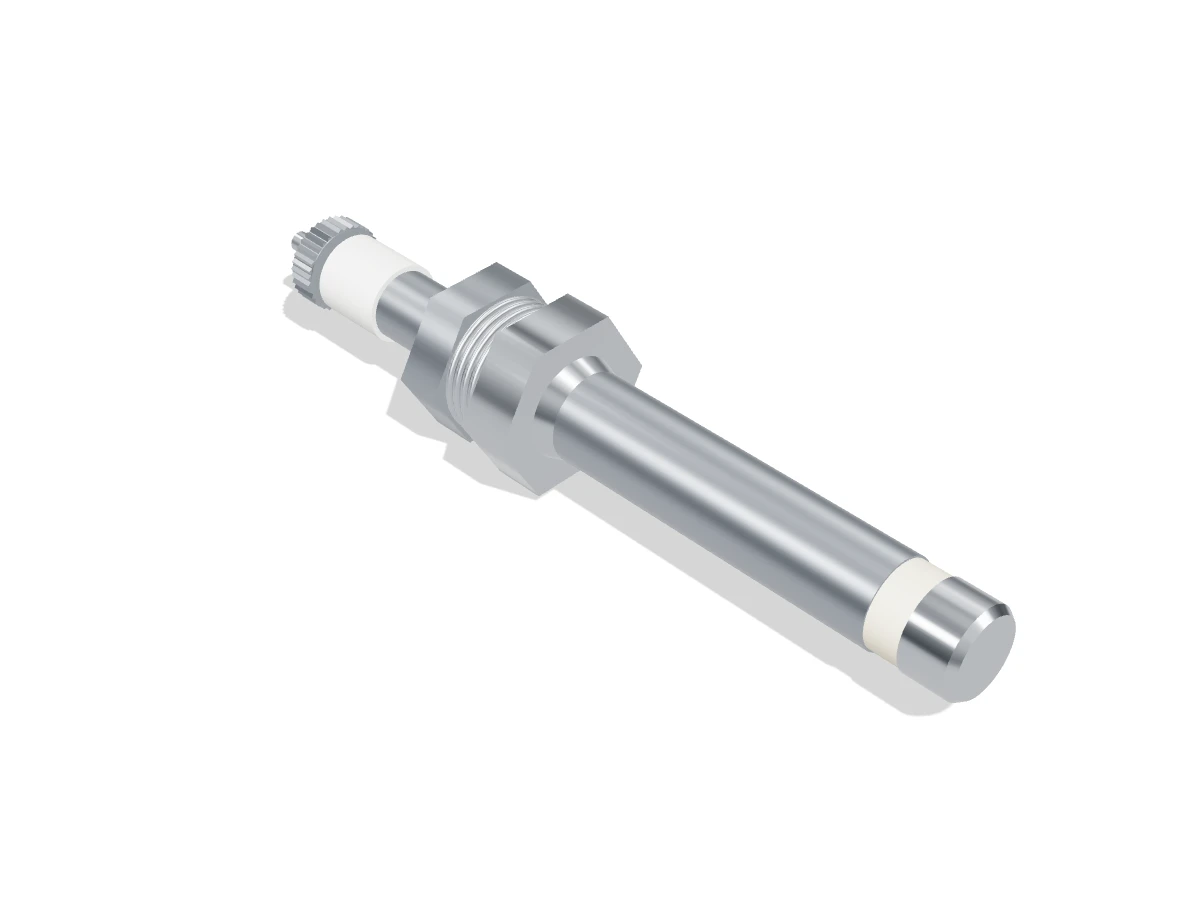
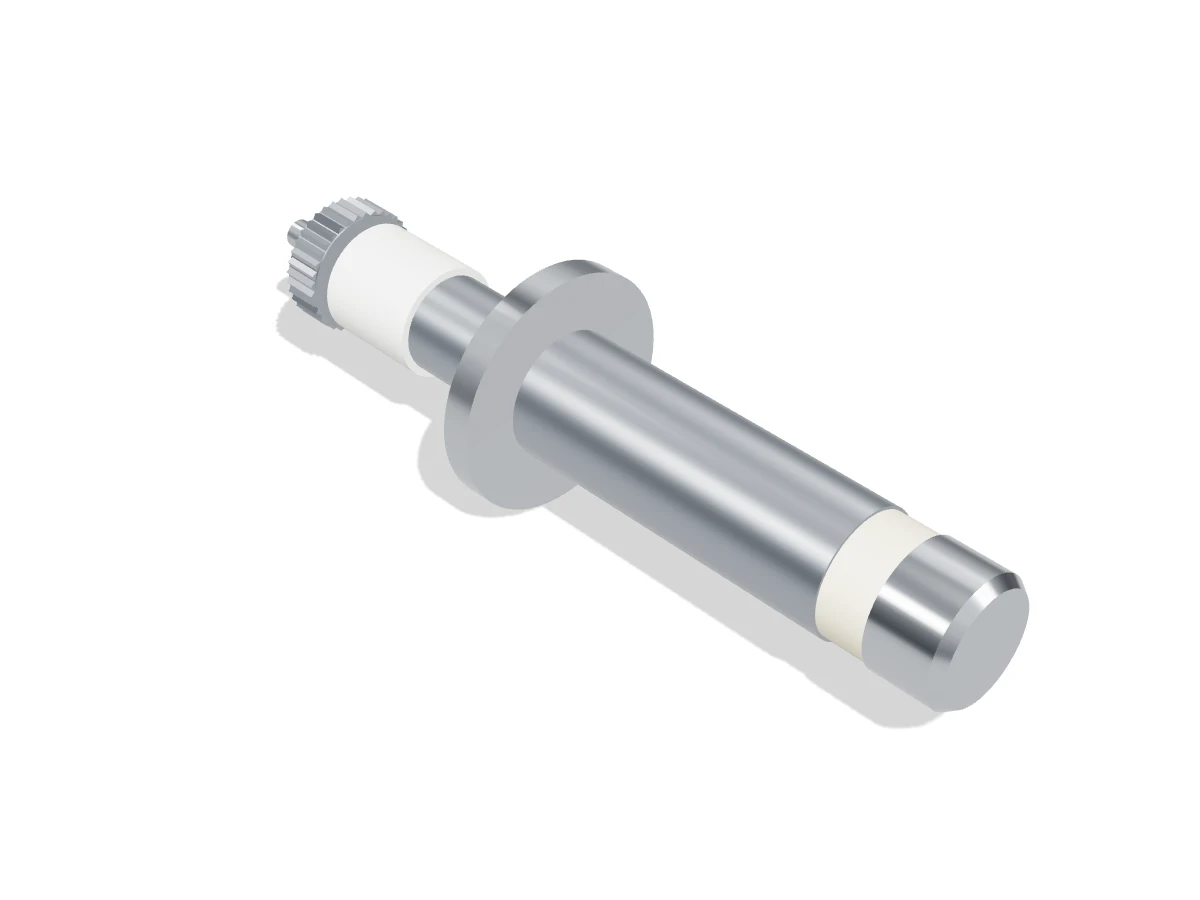
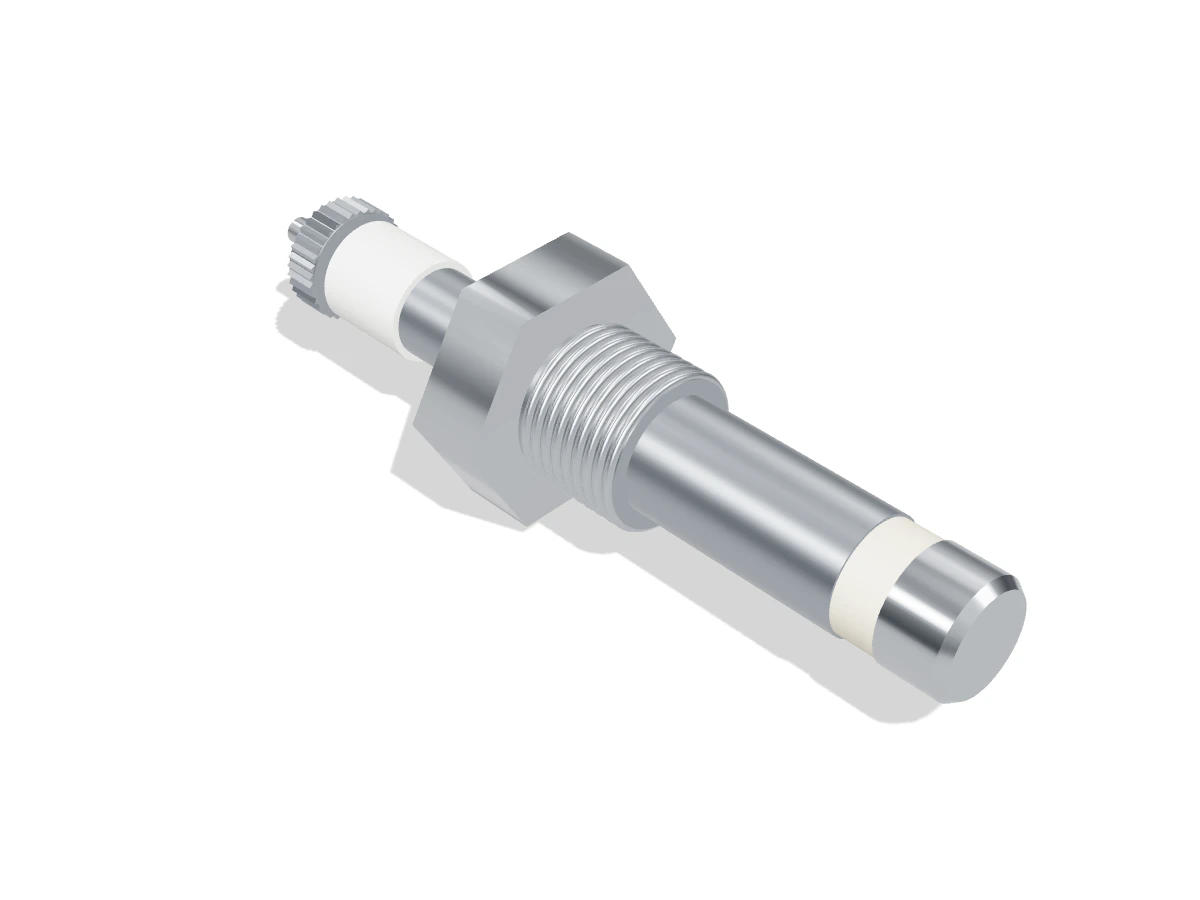
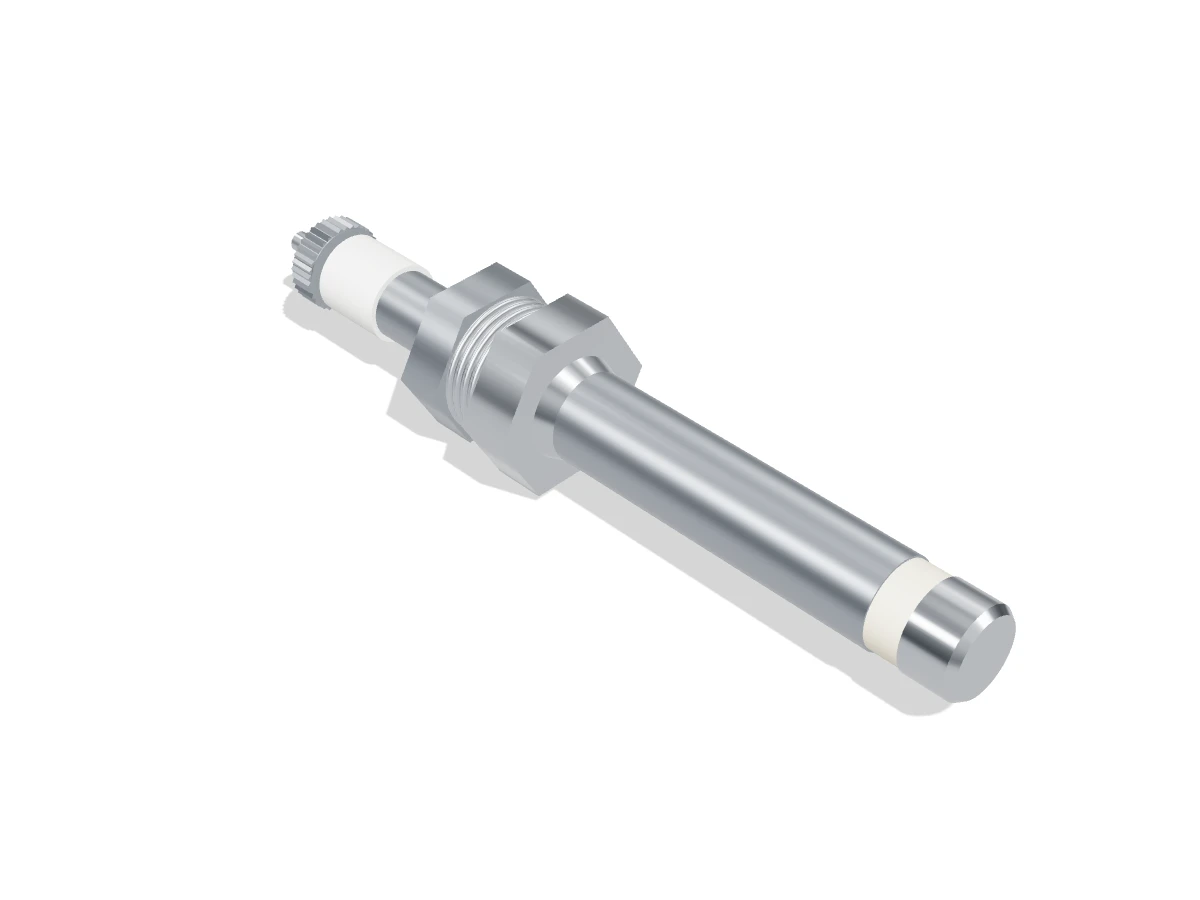
FIG. 01 / 05Compression-fitting electrode, Levelstate Type 802 form — 3D illustrationIllustration
3D illustration of a compression-fitting conductivity electrode of the Levelstate Type 802 form

05 · Hydrastep ElectrodesConductivity electrode

Levelstate Type 802 Replacement Electrode

Indiana catalogue ID
II-HE-010

The high-pressure Levelstate electrode, held by a Swagelok-style compression fitting.

Connection
Compression-fitting
Length
71 mm tip to seat
Original rating
370 °C · 207 bar

The quotation form opens with this electrode and the parts it replaces already filled in.

A

Overview

For the Type 502 water column Levelstate moved from a screw thread to a Swagelok-style compression fitting. The Type 802 seals on a taper inside that fitting, reaches 71 mm from tip to seat and keeps the 13.75 mm tip used across the Levelstate range.

With a brazed zirconia insulator the original part is rated to 370 °C and 207 bar, which puts it on high-pressure drums. Make up the compression fitting carefully and in line — a fitting pulled up off-axis is the usual cause of a weeping port.

What identifies this electrode

  • Swagelok-style compression fitting with taper seal
  • 71 mm tip to seat, 13.75 mm tip
  • Original rating 370 °C and 207 bar
  • Brazed zirconia insulator

B

Cross-reference

Every original part, type number and system this electrode is listed against. One physical part, one catalogue ID.

Cross-reference
SystemManufacturerReferenceListed asReplacement group
LevelstateLevelstate SystemsType 802Original partLevelstate

System and manufacturer names identify the part being replaced. They are trademarks of their owners; INDIANA INSTRUTECH is not affiliated with them.

In context

Where drum levelis a safety reading.

  • 01Boiler steam drum level indication with conductivity water columns
  • 02Replacement electrode for Levelstate Type 802 ports

C

Fit and rating

Interchange depends on the connection, seal, length and tip. These are the published values for the original part; the supplied electrode’s own rating is confirmed on the quotation.

Fit and interchange — original part

Fit and interchange — original part
ConnectionSwagelok-style compression fitting
SealTaper seat
Length71 mm tip to seat
Tip diameter13.75 mm
Cable connectionKnurled nuts
Water columnLevelstate Type 502

Construction and rating — original part

Construction and rating — original part
BodyStainless steel
InsulatorBrazed zirconia
Maximum temperature370 °C (698 °F)
Maximum pressure207 bar (3000 psi)

Supplied electrode

Supplied electrode
Indiana catalogue IDII-HE-010
Replacement part numberStated on the quotation
Materials and ratingConfirmed in writing with the quotation

Source · Original-part fit and rating values from published cross-reference datasheets (drumlevel.com, October 2026).

D

Installation

General practice for this mounting. Torque values come from the water-column manufacturer.

  1. 01Isolate the water column from the drum, vent it and allow it to cool before opening the fitting.
  2. 02Withdraw the old electrode and inspect the fitting body and seat.
  3. 03Insert the new electrode to its full depth so the taper seats, then make up the compression fitting.
  4. 04Tighten to the column manufacturer’s figure.
  5. 05Reconnect the probe cable and prove the channel in water and in steam before returning to service.

E

Applications and industries

Where this electrode is used.

Applications

  • Boiler steam drum level indication with conductivity water columns
  • Replacement electrode for Levelstate Type 802 ports

Industries

  • Power generation
  • Process steam

To specify or quote this, the team needs

  • Reference stamped on the electrode being replaced
  • Water column or level system model
  • Number of electrodes
  • Drum operating pressure and temperature
Request a Quote

Request for quotation · II-HE-010

Request a quotation for the Levelstate Type 802 Replacement Electrode

The product, its Indiana catalogue ID and the parts it replaces are attached to the request automatically. Add quantities and your process conditions — or ask for help selecting the right model.